20% OFF WITH CODE EXTRA20 – ENDS TONIGHT
20% OFF WITH CODE EXTRA20 – ENDS TONIGHT




 https://www.hopesgrovenurseries.co.uk/wp-content/uploads/2026/01/june-24-shutterstock-750x563.jpg
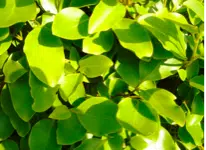
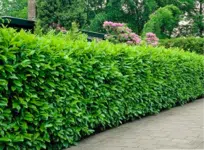
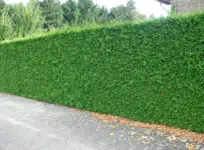
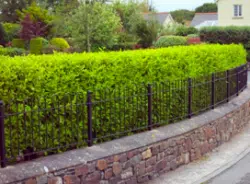
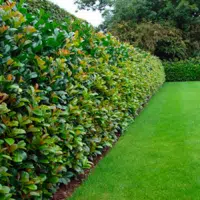
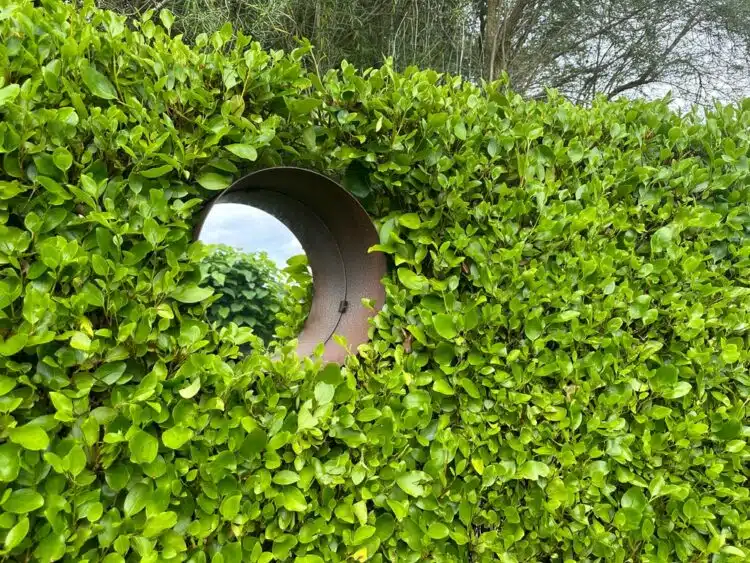
Griselinia littoralis, also known as New Zealand privet or New Zealand broadleaf, has light-green, leathery and slightly wavy-edged oval leaves held on olive-green stems that develop shades of brown as they mature. Although this handsome evergreen will form a 3-metre-high tree in New Zealand, where it’s native, it’s used as an eye-level informal evergreen hedge here. The larger leaves and apple-green colour make it good for hedging, or for specimen plants, because it looks really lush.
Griselinia, which was introduced into the UK in 1850, is named after the venetian botanist Francesco Griselini (1717 – 1787), although there’s no evidence that he actually saw the plant in its Antipodean setting. Carl Linnaeus’s mid-18th Century binomial system, which gave plants two Latin names, often honoured famous botanists. The Swedish Andreas Dahl (1751 -1789), was honoured by the Mexican dahlia, and the English parson Adam Buddle (1662 – 1715) was commemorated (posthumously) by the Chinese buddleia. They probably never saw these plants, although Dahl may have seen illustrations.
Buddle’s herbarium, once owned by Hans Sloane, is held at the Natural History Museum and it’s a work of art with beautifully pressed specimens neatly annotated. More importantly, Buddle was the first to record where he actually found his specimens, probably because he specialised in hard-to-find mosses and lichens. I’m lucky enough to have seen Buddle’s herbarium and it’s as though he assembled it yesterday, because it’s so pristine. I’ve also seen Carl Linnaeus’s herbarium, held in the Linnean Society’s archives, and it contains a broad range of things including a beautifully pressed fish that doesn’t smell!

There are six to seven species of griselinia, depending on which botanist you believe. Two are found in New Zealand and the other four or five in South America. This may seem something of a geographical stretch but before Continental Drift occurred, during the Early Jurassic Epoch roughly 200 million years ago, these two countries would have been joined together. Many North American plants have ‘cousins’ in the Far East, especially in China, for this reason. They include viburnums, magnolias and hydrangeas. Plants arrived long before humans and they deserve our respect!
Where to Plant
The Latin species name, littoralis, translates as ‘of the seashore’ so this evergreen is able to tolerate coastal positions. In fact, Linnaeus should have added tolerantia to this plant’s name, if you ask me. That’s Latin for tolerance, because Griselinia tolerates all sorts of conditions including chalk and clay, with the proviso that it’s well-drained. The way to achieve this is to prepare the ground well and add well-rotted garden compost to the ground, if possible. This will hold moisture on chalk, but it the twiggy nature of home-produced garden compost will allows water to percolate through. You can also make low mounds on clay soil, and plant on top of the mound. Adding bonemeal and rootgrow, when planting, will help your plants to develop roots faster.
It’s Tolerant with a Capital T
The species’ name, littoralis, translates as ‘of the seashore’ and this hedging plant can withstand sea air and windy conditions due its leathery foliage. Evergreens are always less hardy and griselinia used to be recommended for warmer locations only. However, climate change has given it a wider niche and it’s thought to be hardy down to -10C so many areas of the country successfully plant it these days It isn’t suitable for cold northern locations, or very cold places, although there are always microclimates within gardens, especially in cities and towns.
Pollution Tolerant
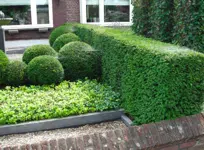
Griselinia is tolerant to pollution so it grows well in urban and roadside locations. As a result, many gardeners are using it instead of box, which can become unsightly due to box moth caterpillar attack or box blight. The griselinia leaves are too large to make crisp topiary, admittedly, but low hedges billow out to form softly flowing contours.
Clipping, Feeding and Planting
A once-a -year clipping will be enough and late spring, or early summer, trims will allow the foliage to re-grow and toughen up before winter arrives. Use sharp pruning shears, or hedge trimmers, that make clean cuts, because blunt blades will damage your hedging and also make it look unsightly. If you want a neater shape, go for regular light pruning, but avoid pruning this larger-leafed evergreen radically. Remove a third at most. The natural shape is curved and informal, so don’t aim for straight edges because this will expose too much stem. Feed your hedge after clipping, with a slow-release feed such as Osmacote (18-5-12), to encourage good growth.
Aftercare
If your soil is very free-draining you could consider mulching after trimming, but only do this following rain on warmer days. You don’t want to lock in cold or dryness into the soil thereby excluding the rain. A newly planted griselinia hedge will need a weekly water in its first growing season in normal weather. However, should it turn hot and dry, water your hedge daily if you can. Don’t dribble the hose over the ground: that does no good at all. I favour filling a bucket with the hose, two-thirds full, and gently tipping it on to the soil round the hedge. Do this slowly, so at not to disturb the roots, either in the morning or evening. Cooler temperatures cause less evaporation.
Considerations on Clay
When planting on clay you must always dig a larger hole than the pot size, because otherwise you’re in danger of planting a sump that fills with water. Avoid planting in late autumn, when clay soil is at its coldest and claggiest. Having said that, clay suits many shrubby plants because it holds moisture and nutrients really well. Avoid any areas that get waterlogged in winter, for griselinia prefers good drainage.
A Bright Position is Best
Position is key, because New Zealand plants enjoy airy more-open positions. Many have evolved to resist grazing animals and sometimes this is taken to extremes, as with the wire-netting plant, Corokia, which survives due to a network of twiggy stems. Give griselinia a brighter position so that the foliage turns a light apple-green and this is very attractive and the arrangement of large roundish leaves offers shelter and privacy. It isn’t a deep-shade plant. Grow in bright shade or full sun.
You’ll get panicles of tiny apple-green flowers in spring, which you may not even notice. Small purple-black berries follow on female plants if there are males close by. And this is an animal-friendly hedge so you can use it near horses and farm animals. Birds can drop the seeds and seedlings can and do occur, although clipping tends to deter flowering. Griselinia will grow up to a foot to eighteen inches (30 – 45 cm) every year, when happy.
How Many Pots will I Need?
Hopes Grove’s griselinia plants are all pot grown on the nursery at Kent, because bare-root plants tend to fail. As a guide, the smaller plants in 1 litre pots will need 4-5 per metre, 2 litre pots 3-5 per metre and the larger plants 2-3 per metre. You can see our recommended planting density next to each size. You can, of course, plant further apart using fewer plants and a smaller budget and still get excellent results over time, it just takes longer. Griselinia hedges are usually planted in a single row, although you could use a staggered double row planting for a particularly dense hedge that is a little wider.
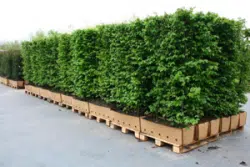
We also grow Griselinia instant hedges. Measuring 1m in lenght These have been grown in large troughs for a number of years under the watchful eye of our horticulturalist team here at the nursery with a disciplined regime of trimming to produce an instant hedging product that will give excellent landscape impact from the moment they are planted
Did you Know?
It’s a ceremonial and spiritual plant to the Māori tribes, who know it as Kāpuka. The leaves were traditionally used for making ceremonial wreaths and garlands and they regard it in the same way we regard yew in our churchyards for its association with protection.

Looking to spruce up your garden this year and need some new ideas? Discover our predictions for the top 2026 gardening trends in the UK below – set to focus on sustainability, smarter use of space, and creating gardens that support both people and wildlife. Top 5 Biggest Gardening Trends For 2026 1. Native planting:…
I’m a lifelong organic gardener and, I always say, it’s for all the wrong reasons. I grew up in the early, cash-strapped 1950s, when gardens were not exposed to a barrage of chemicals. There weren’t many products to buy, but most couldn’t afford them anyway because the household budget was strained. My organic mentor was…

As we creep towards the shortest day a certain sort of magic descends. Low light slants through the garden and picks up all the detail of line, texture and silhouette. I noticed this many years ago when I gardened in Hook Norton on Oxfordshire. All the older gardens had the same sturdy giraffe-like cooking apple…