20% OFF SALE PRICES WITH CODE 20OFF – ENDS TONIGHT!
20% OFF SALE PRICES WITH CODE 20OFF – ENDS TONIGHT!




 https://www.hopesgrovenurseries.co.uk/wp-content/uploads/2018/01/urban-garden-jpeg-750x500.jpeg
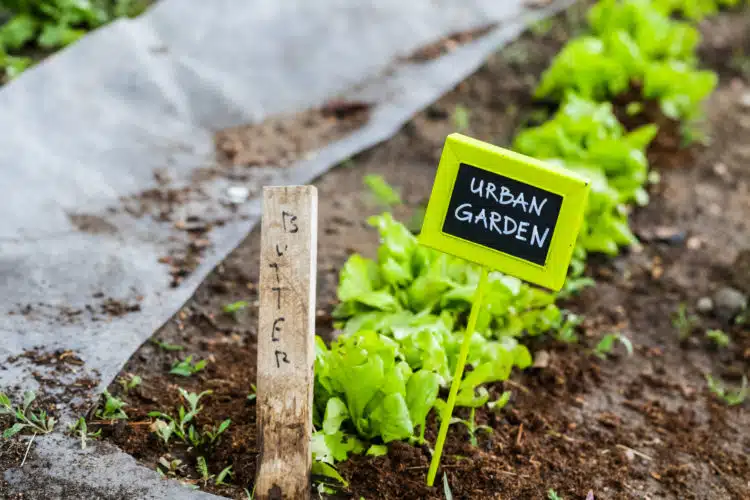
Urban Garden Small Plants in Soil
https://www.hopesgrovenurseries.co.uk/wp-content/uploads/2018/01/urban-garden-jpeg-750x500.jpeg
Urban Garden Small Plants in Soil
Gardening provides a sense of tranquillity and rewarding hard work. Making use of your green fingers can be great for those who have access to great wide open spaces, or even for those who have an average-sized garden, flower patch, or front patio hedging. However, the joys of gardening can be lost on those who live in built-up town or city areas. With the lack of greenery available in the ever increasing populated areas, the need for urban gardening also grows. If you’re an avid experienced horticulturist or just an enthusiastic budding grower, here’s how to bring a bit of green to your neck of the woods.
Urban gardening is the practice of growing plants, flowers, herbs, fruit or vegetables in towns and cities where outdoor space may be limited. Urban gardens can take many forms, including balcony gardens, rooftop gardens, courtyard gardens, community gardens, vertical gardens and container gardening.
Whether you have a small balcony, a paved patio or simply a sunny windowsill, urban gardening allows people to create green spaces, support wildlife and grow their own plants within built-up environments and small spaces.
Research consistently shows that spending time around plants can reduce stress and improve mental wellbeing. Urban gardening creates opportunities to connect with nature, even in densely populated areas.
Urban gardens can provide valuable habitats for bees, butterflies and other pollinators. Adding wildlife-friendly plants helps support local ecosystems.
Many urban gardeners grow herbs, vegetables and fruit in containers, helping reduce food miles while providing fresh produce at home.
Plants can help absorb pollutants and contribute to healthier urban environments.
When living in the city, the most popular type of accommodation is a flat or apartment. Of course, with having a smaller building it also means that your space is limited. This means that you need to look into all types of opportunities to bring that bit of greenery that you’re after. Below are a couple of urban gardening ideas to get you started.
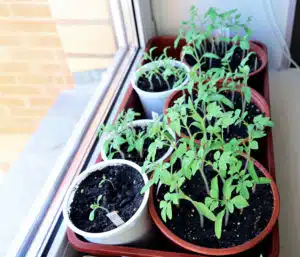
Windowsill boxes are good for growing shallow-rooted plants. When considering a windowsill plant box, determine whether or not you have enough sunlight reaching your window. If you don’t have a reliable amount of sunlight from all of the windows in your building, it is worth thinking about plant lighting options. Windowsill boxes are ideal for both brightening up your home and adding greenery to the city outside your window.
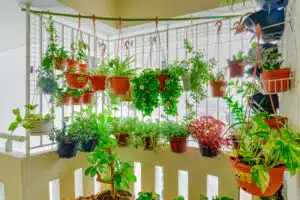
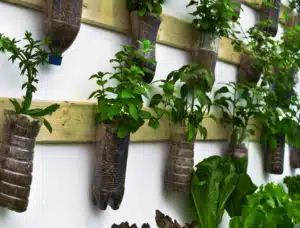
Another great way to enjoy your own urban garden is to have a vertical garden. For those who don’t have lots of space, attaching plant pots to your wall is a great way to grow some plants, bring some greenery to your home and even upcycle. Instead of buying new plant pots and fixing them to your walls, practice sustainable urban gardening and find ways to upcycle – such as cutting 2-litre plastic bottles in half and using them as plant pots. You can even use old shoe hangers to hold up the variety of plant pots you have, without damaging your walls. The key thing to remember is that plants need light to grow successfully.
Designing an urban garden often means making the most of limited space. Whether you have a small courtyard, balcony, terrace or compact city garden, thoughtful planning can help you create a beautiful and functional outdoor space. Here are some tips for urban gardening to help maximise your garden’s potential.
Some of the best urban garden plants to grow in both your windowsill plant box and vertical garden are herbs, fruits and vegetables; particularly ones that don’t grow too tall or wide such as basil, lavender, parsley, rosemary, thyme, strawberries, tomatoes and mushrooms. These plants require well-drained soil, so it is worth having containers that have drainage holes – but make sure you have something to catch the excess water.
If you’re looking to be more sustainable while working on creating your urban garden, here are some things you can do to help the environment and reduce wastage:
There are plenty of ways to bring your garden to life even if you don’t have a lot of space, or even if you’re just starting with your new green fingers. Not only do urban gardens provide a sense of achievement and handiwork, they also produce plenty of edible plants that you can use.
Explore your gardening side, and browse our range of hedging plants, wildlife-friendly shrubs and compact trees suitable for balconies, patios and small urban gardens to start your urban garden today!

Looking to spruce up your garden this year and need some new ideas? Discover our predictions for the top 2026 gardening trends in the UK below – set to focus on sustainability, smarter use of space, and creating gardens that support both people and wildlife. Top 5 Biggest Gardening Trends For 2026 1. Native planting:…

I’m a lifelong organic gardener and, I always say, it’s for all the wrong reasons. I grew up in the early, cash-strapped 1950s, when gardens were not exposed to a barrage of chemicals. There weren’t many products to buy, but most couldn’t afford them anyway because the household budget was strained. My organic mentor was…

As we creep towards the shortest day a certain sort of magic descends. Low light slants through the garden and picks up all the detail of line, texture and silhouette. I noticed this many years ago when I gardened in Hook Norton on Oxfordshire. All the older gardens had the same sturdy giraffe-like cooking apple…