How to Protect Hedging Plants in Hot Weather
You are here:
Home » How to Protect Hedging Plants in Hot Weather
Summer gardening has become more and more challenging over the years. The temperatures run higher and the droughts last longer. You have to protect your garden while navigating hosepipe bans and staying wildlife‑friendly.
We’ve compiled our best advice for navigating heatwaves as a gardener. Hedging plants can thrive even in increasingly hot summers with the right care.
(Please keep in mind that our advice may not apply to professional gardeners.)
Hedging Plants and Heatwaves
Established hedging plants, in general, are quite hardy during heatwaves. Their roots penetrate deep into the soil, protecting them from sunburn and making it easier for them to absorb water.
That said, in extreme heat, they are still vulnerable to stress and heat damage.
As a general rule, during heatwaves we recommend prioritising your newer hedging plants, especially if they are exposed to full sun. Younger hedges, especially if their roots sit close to the surface, are at a much higher risk of dying than older plants.
How do I tackle watering during hosepipe bans?
During heatwaves, many local water companies impose hosepipe bans, which make caring for your hedging plants challenging. While local guidance will differ from region to region, you’re generally only allowed to water your plants with buckets and watering cans to conserve water.
To keep your hedges healthy while respecting your hosepipe ban, here’s how you should approach watering:
- Focus on watering in early mornings or late evenings. If you try to water your plants during the day, not only will a lot of the water evaporate, you also risk scorching the foliage as the sun reflects off water droplets. Utilise the coolest periods of the day so more of the water is absorbed.
- Rather than watering little and often, water infrequently and deeply. Your goal is to ensure the water penetrates deep into the soil; watering deeply once or twice a week is far more effective for your garden during droughts.
- Move potted plants to the shade. Soil in pots dries out faster, so minimising direct sunlight will help to conserve that water.
- Check soil moisture levels before watering. If the soil is still damp below the surface, you’ll know you can wait a little longer to water again – there’s no need to risk overwatering and root rot!
- Collect rainwater, or recycle bathwater. It’ll be easier to take care of your garden if you conserve tap water, and make the most of the water otherwise available to you or already once used.
Pruning in a Heatwave: What should I do?
Advice around summer pruning is all over the place, and that’s because standard guidance doesn’t apply during a heatwave.
You’re often advised to prune little and often over summer to encourage fuller dense foliage, but during a heatwave you create wounds that lose moisture quickly, risk scorching the cut leaves, and encourage new growth that will fry under the summer sun.
In a heatwave, we recommend avoiding pruning as much as possible.
Prune in early summer, before extreme heat sets in. If you notice parts of your hedging plant are dying or diseased, the best way to avoid stressing the plant out more is to wait for a cooler and cloudier day to cut away the damage. Once the extreme heat subsides, you can return to pruning little and often.
Learn more with our When to Cut a Hedge guide.
Can a severely heat-damaged hedge be saved?
When extreme heat turns your hedging plants crispy, and nothing you do seems to revive them, it’s natural to assume they’re beyond hope, and think about removing them and starting again in autumn.
But hedging plants – many of the plants in your garden, in fact – are very resilient, more so than you think. The possibility that they’ll thrive again next year is high.
- Before taking any irreversible action, perform a scratch test. If the layer under the bark is green or white, the branch is alive.
- Check that any damage is actually heat damage. Your hedges might be diseased or pest-ridden – fireblight, for example, could be mistaken for scorched foliage. Problems like these will stress out your hedging plants and make them more vulnerable in heatwaves, so addressing them early is key. Visit our Knowledge Base for guidance on how to treat specific pests and diseases.
- Avoid fertilising where possible. Any new growth you do induce is more vulnerable to scorching. If you do choose to use fertilisers, opt for slow-release options.
- Cover roots with mulch or paving slabs to protect them. Keeping the roots of your plant safe from direct sunlight is the best way to ensure it survives hot weather.
- Prune back your hedges in October, after the worst of the heat has subsided but before the frosts set in. This will help protect your hedging plants over the winter and prepare them for next spring, as well as protect nesting birds.
Then wait and see! If your hedging plants do need to be taken out, here is our guide on How to Remove a Hedge.
Future-Proofing Your Garden
Let’s face it, climate change isn’t going anywhere. If you want your garden to thrive as summer temperatures become more extreme and droughts become more frequent, you have to make strategic choices around what to plant and where.
Here are our top tips for creating a garden that’s resistant to extreme heat:
- Plant anything new in October. This is the perfect time to get more vulnerable plants in the soil. Mulching around the roots and drenching the soil will protect the roots of young hedges, helping them to properly establish before the next growth season.
- Opt for hedging plants that tolerate full sun. Plants for dry sites like beech hedging, box hedging or laurel hedging are great choices for dry, exposed gardens. Take a look at our Choosing the Right Hedge guide for recommendations that match your other specifications.
- Opt for native hedging for biodiversity. Native species are not only the best suited to our climate and soil conditions, but encourage local wildlife, which is crucial in the summer when conditions are harsh.
- Ensure anything delicate is planted in shady areas. Take a look at your garden – if you want to plant anything that’s best suited to sheltered areas, prioritise placing them under trees or other more protected spots.
- Leave out water for wildlife. Caring for your plants alone isn’t enough, it’s also your duty as a gardener to protect pollinating insects, birds and animals. They’ll return the favour!
Heat Tolerant Hedging at Hopes Grove Nurseries
Ready to get started with drought-resistant hedging plants? Here are some of our top recommendations:
- Hawthorn. Hardy and drought-resistant, hawthorn is often mixed with other native species because it thrives in most conditions.
- Bay Laurel. Most laurel hedges like being baked in the sun for long periods, but bay in particular also smells fantastic.
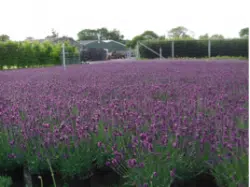
- Lavender. For low borders, lavender is ideal – it’s happiest with very minimal watering, while also encouraging pollinators like bees and butterflies.
- Privet. Tough evergreens like privet hedging grow rapidly and tolerate poor soil conditions.
For more guidance on summer hedge care, as well as local rules, contact our friendly customer service team on 01580 765 600