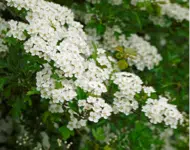
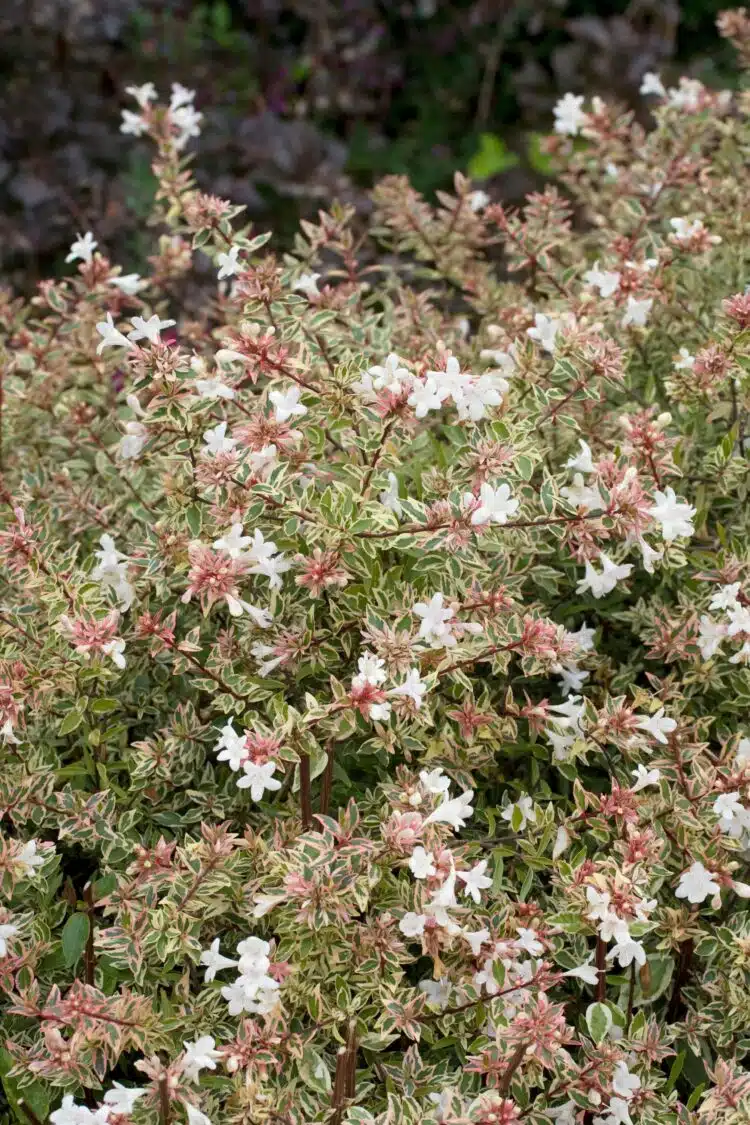
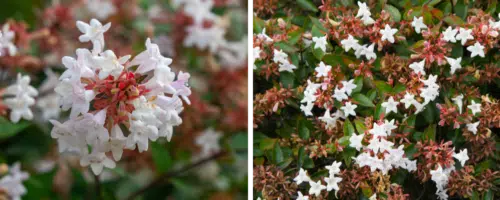
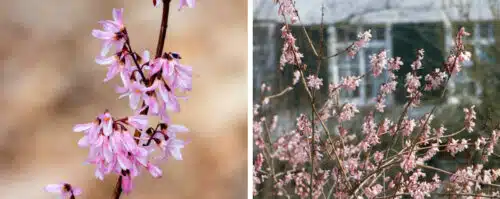
During Summer and Autumn a succession of scented white tubular flowers appear, slightly tinged with pink. These are very popular with bees and other pollinators and are produced over many months.
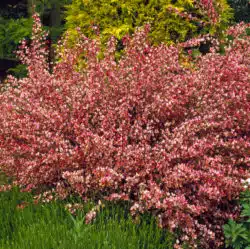
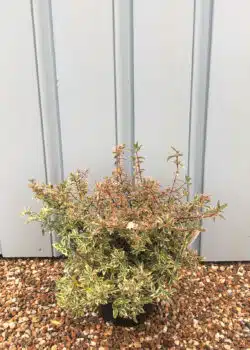
Abelia Confetti is a compact and naturally bushy variety with many uses, they make excellent container plants with a long season of interest, plant as a low maintenance space filler in flowerbeds and borders or for something a little different use them for a small decorative hedge. Abelia x grandiflora Confetti only grows to around 100cm when mature, and about as wide so with trimming this would make a great little hedge (3 plants per metre) of up to a metre. As with all Abelia varieties, Abelia Confetti should be trimmed in late winter or early spring just before the new growth emerges.
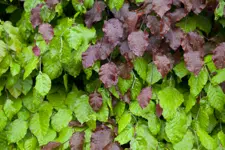
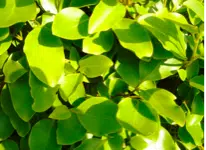
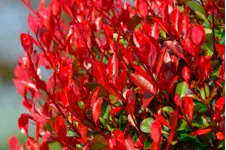
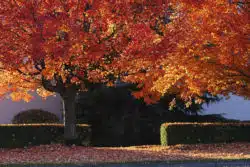
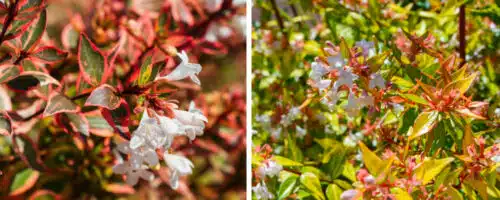
Abelia Confetti are useful bushy shrubs with small glossy leaves that are often patterned and coloured, the colours are usually at their best when temperatures start to drop in the autumn months and a bit of extra colour is welcome in the garden as many other plants are past their best. All Abelias produce a steady succession of slightly fragrant tubular flowers from June through until at least October giving a long season of interest, even when the flowers have passed the calyces (the outer edge of the flower) stay on the plant and these are often colourful too.
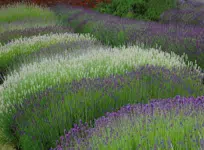
Abelia shrubs and hedges aren’t the hardiest, this is a moderately hardy family of plants that does best in a sunny sheltered spot (they will take a little shade), despite this they do very well in coastal locations. Many seaside gardens are much improved with Abelia shrubs amongst other less hardy but coast loving shrubs such as Griselinia, Lavender hedges and Choisya.
These versatile shrubs are great for mixed borders and can bring a real cottage garden look when mixed in with other flowers, many of which may come and go but Abelia will give at least five months of pretty much continuous flowering!
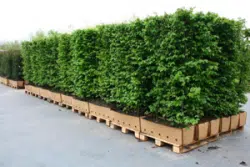
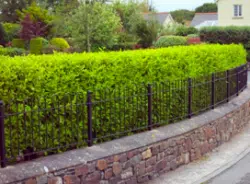
Abelia shrubs can be trimmed to make colourful Abelia hedges, whether grown as shrubs or hedges, these floriferous plants are usually trimmed in late winter or early spring as this allows time for the branches to grow and develop in early summer and the flowers are subsequently produced at the ends of these branches right through until autumn.
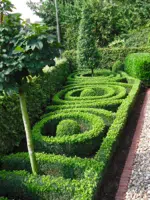
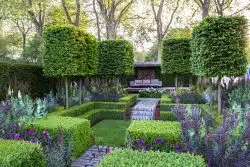
Abelia hedges tend to be more informal in nature if the flowers are valued. By trimming Abelia hedging plants more frequently its easy to have a very formal and neat Abelia hedge, but the flowers are usually sacrificed. With such colourful and decorative glossy foliage and many colours this may not be a problem.