10% OFF SALE PRICES WITH CODE EXTRA10 – ENDS MIDNIGHT SUNDAY
10% OFF SALE PRICES WITH CODE EXTRA10 – ENDS MIDNIGHT SUNDAY




 https://www.hopesgrovenurseries.co.uk/wp-content/uploads/2026/07/shutterstock_754003084-1-750x439.jpg
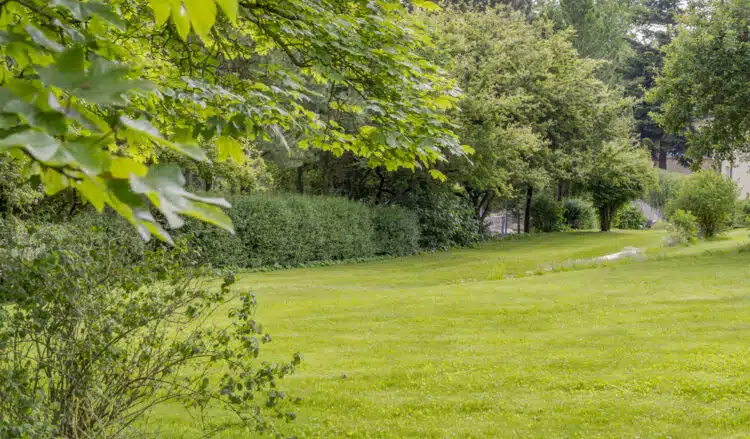
Looking to spruce up your garden this year and need some new ideas? Discover our predictions for the top 2026 gardening trends in the UK below – set to focus on sustainability, smarter use of space, and creating gardens that support both people and wildlife.
Native planting has grown over the past few years and continues to do so. This is partly due to the considerable change in landscape design from large- scale projects, to show gardens and local community projects. As news spreads about the need to restore biodiversity and build resilient ecosystems, native planting is coming intoin to focus more. Native plants, being better adapted to local soil and temperatures, can be a sustainable way to help pollinators and local ecosystems.
There are many reasons why growing food at home is becoming more popular. From food security to rising costs and a greater understanding of sustainability issues. Self- sufficiency is a growing movement, and producing food even in a small space is enjoyable and satisfying. Perennial vegetables, fruit trees and productive shrubs will become more popular and growing fruit and vegetables in the same beds as ornamentals.
With a large percentage of the population living in urban environments, in rented and small spaces, the continuing trend of embracing creative ways to garden, from vertical solutions to growing food in containers. Raised beds in new housing developments will become more common due to the poor soil and, in general, more accessible ways to garden for all. This will include edible plants and compact fruit trees, which can be grown in containers and other new solutions. This trend is also promoted due to the smaller space show gardens at RHS shows and also balcony designs at the RHS Chelsea Flower Show.
For many years, there has been a somewhat subtle colour pattern in many of the show gardens that influences designers and the public in their decisions. The choice of plants that garden designers use in shows throughout the year, do often find their way into garden centres and nurseries. So these plants find their way into gardens across the UK. Moving forward, there will be a change to some bolder colours to bring joy and individual expression to home gardens.
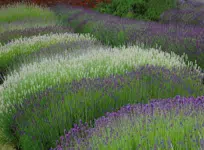
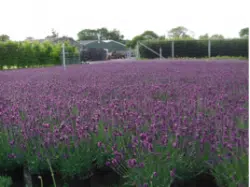
As the climate changes with more heat and heavy rain, climate- resilient gardens will become more common as gardeners move forward with adapting to meet these changes. More people are turning toward drought- tolerant, hardy plants with more rain gardens, permeable pathways, mulch and rainwater collection methods. Expect to see more ornamental grass, Mediterranean herbs such as lavender, rosemary and thyme. Colourful perennials, including echinacea, verbena and yarrow.
Gardeners are continuing to choose native shrubs and trees to support biodiversity and resilient planting. Plants such as blackthorn, hawthorn, crab apple and dog rose are popular, along with rowan and other mixed native hedging. These provide home, shelter, food and nesting space for birds and other wildlife.
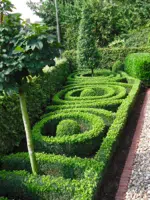
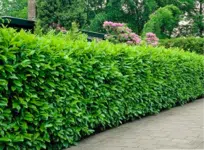
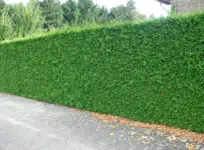
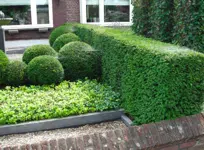
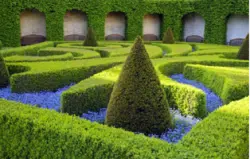
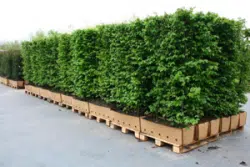
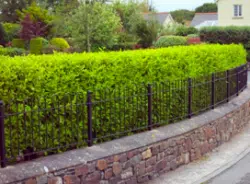
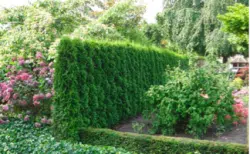
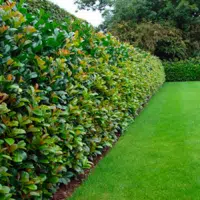
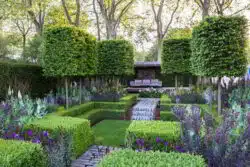
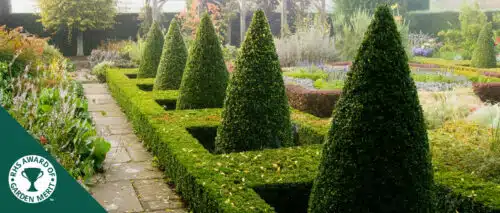
With so many urban developments and more people wanting time outside, the need for privacy hedging will increase. This will include trees that can be pleached, formal hedging and topiary – giving a classy, calm and private space which has less noise, pollution and nosey neighbours!
Edible landscaping is increasing, as represented by Adam Frost’s show garden at BBC Gardeners World Live and many more. Interest in compact trees with edible fruit is growing, and according to the RHS, edible perennials are expected to be a big trend. We expect to see plenty of mixed hedging, small fruit trees planted in beds and borders, plus edible perennials integrated into to the garden.
Perennials that are drought- tolerant, flower for a long time and attract pollinators will continue to be seen in gardens. Plants such as achillea, salvia, nepeta, geranium and verbena will all be popular.
Design is already being enhanced by the use of AI and technology. These tools can help to create gardens, larger landscapes and master plans to bring more green, sustainable spaces. Smart sensors can be used to monitor plant health, soil health, plant nutrition and watering needs. It will detect disease and pests, and AI systems will be able to suggest changes and give solutions. Technology is already used in landscape design, but AI will enhance this and help gardeners to better visualise plans and choose the right plant for the right place.
Looking to spruce up your garden this year and need some new ideas? Discover our predictions for the top 2026 gardening trends in the UK below – set to focus on sustainability, smarter use of space, and creating gardens that support both people and wildlife. Top 5 Biggest Gardening Trends For 2026 1. Native planting:…
I’m a lifelong organic gardener and, I always say, it’s for all the wrong reasons. I grew up in the early, cash-strapped 1950s, when gardens were not exposed to a barrage of chemicals. There weren’t many products to buy, but most couldn’t afford them anyway because the household budget was strained. My organic mentor was…
As we creep towards the shortest day a certain sort of magic descends. Low light slants through the garden and picks up all the detail of line, texture and silhouette. I noticed this many years ago when I gardened in Hook Norton on Oxfordshire. All the older gardens had the same sturdy giraffe-like cooking apple…